

Flounder Species
The notable flounder species are:
-
The Atlantic flounder (Paralichthys dentatus) is usually referred to as summer time flounder or fluke, inhabits the western Atlantic Ocean, from Canada to Florida. It’s prized for its gentle taste and agency texture, making it a favourite amongst leisure and business fishermen alike.
-
European flounder (Platichthys flesus) is present in coastal waters from the Baltic Sea to the Mediterranean, is esteemed for its delicate style and flexibility in culinary functions.
Description
A flounder fish is characterised by its flattened physique, which permits it to camouflage itself on the ocean ground. With each eyes positioned on one aspect of its head, flounder has a outstanding capacity to mix into its environment, making it a proficient predator. It usually ranges in measurement from small to medium, with variations relying on the particular species.
Flounder could be recognized by its diamond-shaped physique, mottled brown or inexperienced coloration, and distinctive eyes. Like different flatfish, flounder swims sideways and has a novel asymmetrical look.
Habitat and Biology
Flounder is a demersal fish, which means it resides on or close to the ocean ground. It inhabits quite a lot of coastal environments, together with sandy bottoms, mud flats, and rocky reefs. Flounder is thought for its adaptability, thriving in each shallow and deep waters.
Flounder feeds on a food regimen of small fish, crustaceans, and marine invertebrates. Its searching technique entails mendacity in look ahead to prey to move by, then ambushing with a swift strike. This predatory habits, mixed with its camouflage skills, makes flounder a formidable predator in its ecosystem.
Habitat and Biology
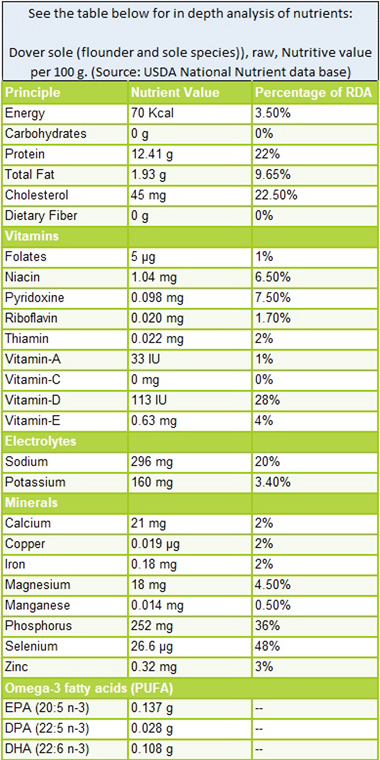
Dover sole is a demersal fish that displays nearly comparable development traits as different benthic species like turbot, flounders, and many others. Grownup fish dwell on sandy and muddy bottoms, from the shore all the way down to 300 m. North Sea Dover sole spawns in April-June. They feed on fish eggs, worms, small soft-shelled bivalves, small fishes, and crustaceans.
