

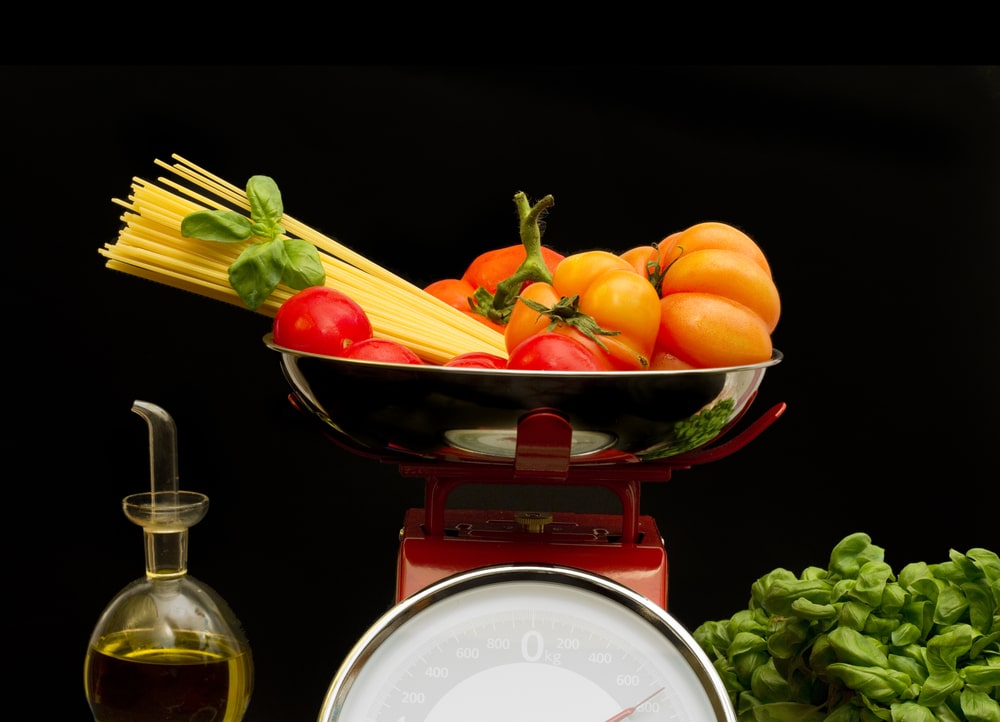
Most food regimen and health specialists advocate proscribing serving sizes to anybody who desires to drop extra pounds. And measuring your meals is one of the best ways to do this.
However what’s an correct measure? Serving sizes, for example, are a regular measure of meals, in cup or gram weight. That doesn’t essentially imply the identical factor as portion measurement, which is the quantity of meals you’re taking in your plate.
What you should give attention to is portion measurement. Right here’s how:
- One portion of uncooked greens or fruit equals the scale of your closed fist.
- ¼ cup cooked greens is equal to the scale of a light-weight bulb.
- 100 g of complete fruit or 2/3 cup dahi is identical measurement as a tennis ball.
- ¼ cup of dried fruits is equal to the scale of an egg.
- 25 g cheese is the same as a pair of cube.
- 85 g potato is the scale of a pc mouse.
- 1/3 cup rice is what suits in a muffin liner.
- 1/3 cup pasta could be collected in an ice-cream scoop.
- 1 tsp butter is the scale of your fingerprint.
- 1 tbsp nuts the scale of your thumbprint.
- 100 g of meat, hen or fish is identical quantity as two eggs.
Different simple pointers that may assist you to monitor portion sizes are:
Share your meal
At a restaurant, order particular person appetizers and cut up the primary course. If you happen to’re out with 4 individuals, share one dessert.
Don’t clear your plate
You’ll be able to’t management the portion sizes at a restaurant, however can maintain a examine on what you eat. Eat solely half of what’s served and bag the remainder to get pleasure from as a second meal.
Swap your dinner set for smaller plates
At residence, serve your meals on smaller plates. Your plate will look full, however you’ll be consuming much less.
Skip second helpings
Eat one plate of meals and don’t return for extra. Wait 5-10 minutes and see if you’re actually hungry; solely after, serve your self extra.
